A thought experiment on order and chaos
Entertain this thought experiment. You are teleported to a room the size of a basketball court with four other people. There is only a poker table in the center of the room. Nothing else.
Rules of the Game:
- You cannot leave the room
- Every player has an even number of poker chips at the poker table
- If you have poker chips, you can magically trade them for food
What will you do?
Before you understand what you will do, you will need to understand what other players will do:
Players will maximize their chips, so they can get access to food in order to survive. Players will not intentionally harm themselves.
Outcomes:
You refuse to play the game (assume others play the game)
- You die
or
- A player/players gives you charity and you survive and you become dependent on their charity
or
- You physically take other players chips and survive until you are defeated or defeat everyone.
You play the game (assume others play the game)
-
If your, win ratio is > loss ratio = You survive
-
If your, win < loss ratio = You die, unless charity
No one plays the game
-
All players agree to evenly distribute the chips and maximize everyone’s chance of survival
-
Violence ensues. The physically strongest survive (most likely scenario)
Outcome: 1 survivor, 4 deceased
But what happens when you increase complexity?
By complexity we mean the number of “actors”
-
Violence will be the optimum strategy for survival (individual or group).
-
As complexity grows; group structure will emerge.
-
The group will adopt “poker” as mechanism to distribute food.
-
Individuals will try to gain membership of the dominant group to survive.
-
The dominant group when reaches complexity divides again into subgroups.
-
Individuals will always act as groups and vice versa.
-
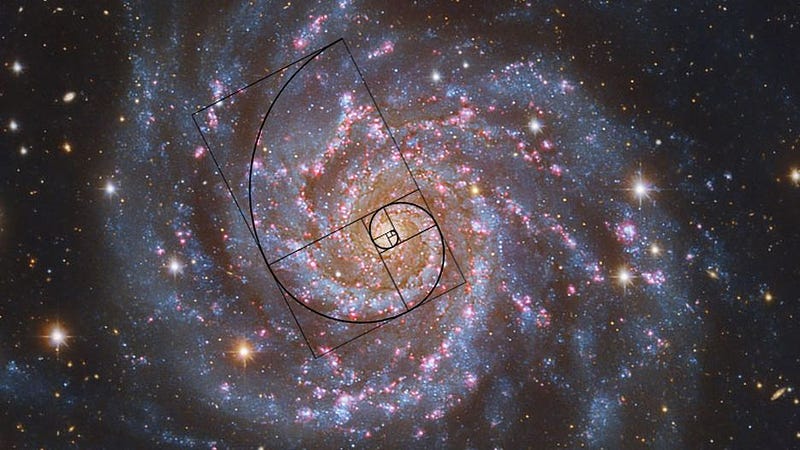
This whole cycle continues like a fractal.
Conclusion
- We can clearly discern that selfish behavior is rewarded in both small and large group setting.
- The arbitrator of selfish behavior is violence or the threat of violence.
- Ethics are created only for the self preservation of the group. But this is hypocritical, as these ethics do not apply to outside actors.
- We as humans, individually and collectively might have less power than we think we have on our actions.